
"Exams don't test just what you know; they test how well you prepared." As exams approach, many students feel nervous and overwhelmed. But with good study habits, proper planning and regular revision, exam preparation can become much easier and far more productive. Here is what works for me as a Class 11 student at Doon Global School.
Why Study Habits Matter Before Exams
Exams are an important part of a student's academic journey. Preparing at the last moment causes unnecessary stress and confusion. Developing good study habits before exams helps students understand their subjects better, manage their time and walk into the exam hall feeling confident rather than panicked.
Why Regular Study Beats Cramming
Studies help us gain knowledge, improve our thinking and problem-solving skills, and prepare us for our future goals. But the way we study matters as much as the hours we put in.
Regular studying helps us understand difficult topics instead of simply memorising them. Good study habits also improve concentration and make learning more enjoyable, because you are building on something you already understand rather than starting from zero the night before. Education gives us the knowledge and skills needed to face future challenges, and that only happens when learning is steady.
Planning Your Preparation
Planning is the first step towards successful exam preparation. Here is the approach I follow:
- Make a realistic timetable. One that fits around school hours, meals and sleep, not one that assumes you will study eight hours a day.
- Divide the syllabus into smaller portions. A chapter a day feels achievable. "Finish Physics" does not.
- Give difficult subjects extra time, and revise easier topics regularly so they stay fresh.
- Set achievable daily goals. Ticking off a goal each evening keeps you organised and motivated.
- Take short breaks between sessions. A five-minute break every half hour genuinely improves concentration.
- Avoid procrastination. Follow the timetable consistently. A plan you do not follow is just a wish list.
Revision Techniques That Work
Revision is essential for remembering what we have learned. The techniques that help me most:
- Short notes. Condense each chapter to one page in your own words. Writing the page is the revision.
- Mind maps. Draw connections between topics so you can see the whole chapter at once.
- Flashcards. Formulas, definitions and dates on one side, meaning on the other. Perfect for ten spare minutes.
- Question-answer lists. Turn headings into questions and answer them without looking.
- Sample papers and past questions. Solving them improves understanding and builds exam confidence, especially when you time yourself.
- Explain it to someone. Explaining a topic in your own words is the quickest way to check how well you really understand it.
Regular revision is much better than trying to study the entire syllabus in one night.
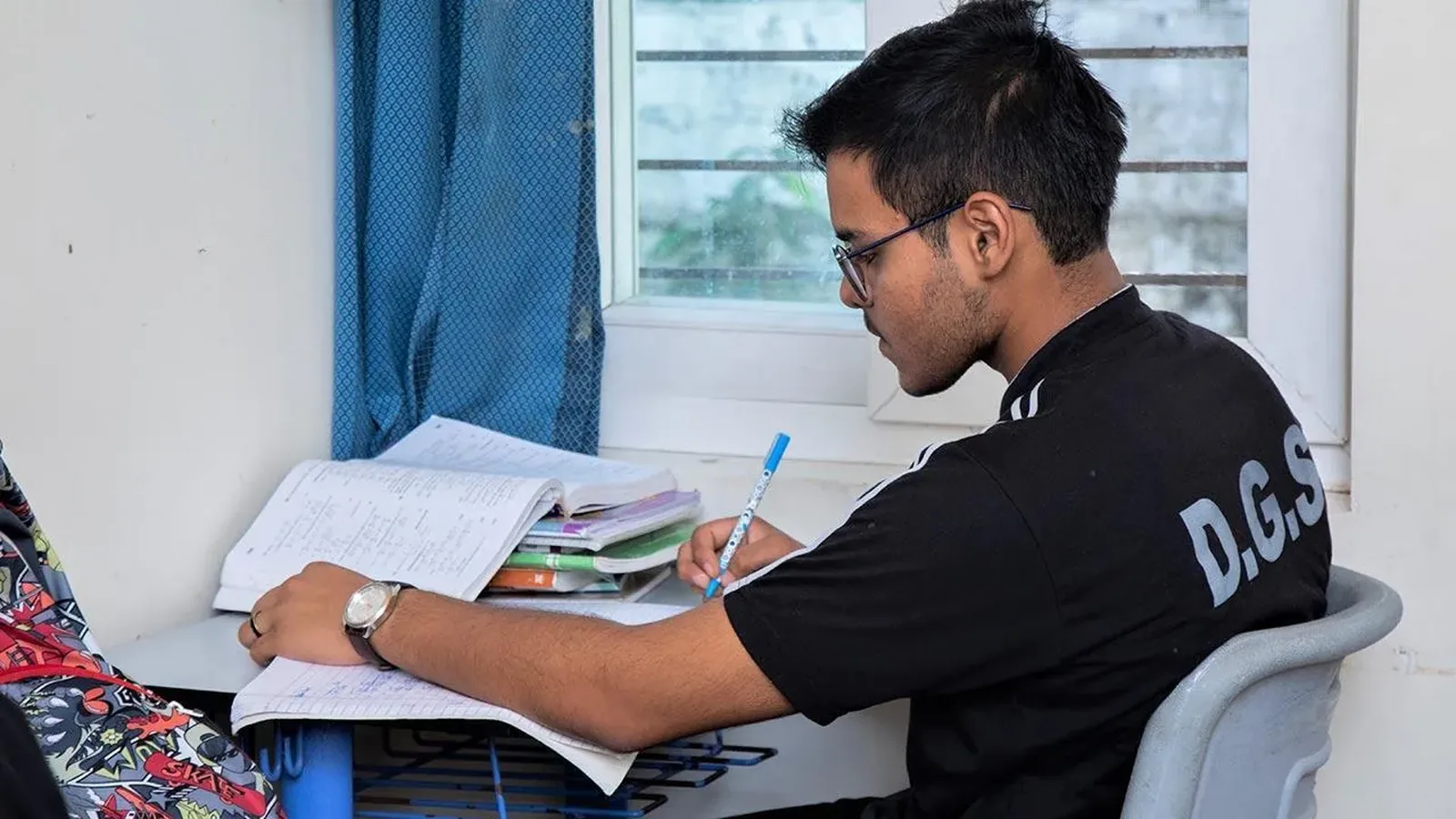
A Sample Week Before Exams
A simple structure that many of my classmates use in the two weeks before an exam:
- Monday to Friday: one new chapter revised from short notes each day, plus a quick flashcard run of yesterday's chapter.
- Saturday: one full sample paper under timed conditions, then check it against the marking scheme.
- Sunday: go back over the mistakes from Saturday's paper, and rest. Rest is part of the plan, not a break from it.
Frequently Asked Questions
How many hours should I study before exams?
Fewer than you think, as long as they are consistent. Two to three focused hours a day for a month beats ten hours a day for the last three days.
What is the best way to revise for CBSE exams?
Short notes in your own words, flashcards for facts and formulas, and timed sample papers checked against the official marking scheme. NCERT textbooks remain the backbone of CBSE papers.
How do I stop procrastinating before exams?
Make the first task of each session small and specific, such as "read the summary of chapter 3". Starting is the hard part, and a small task makes starting easy.
Should I study the night before an exam?
Only a light revision of your short notes. Sleep does more for recall than another hour of reading.
Conclusion
Building better study habits takes time, but consistency makes a big difference. Proper planning, regular study and effective revision can help students approach exams with confidence and a calm mind.
Success is the sum of small efforts, repeated day in and day out.
Success is not achieved overnight. It is built through small efforts made every day. So start early, stay consistent and believe in yourself. At Doon Global School, a CBSE school in Dehradun, teachers help students plan their revision, and sample papers are shared for every class so that practice starts well before the exam timetable is announced.