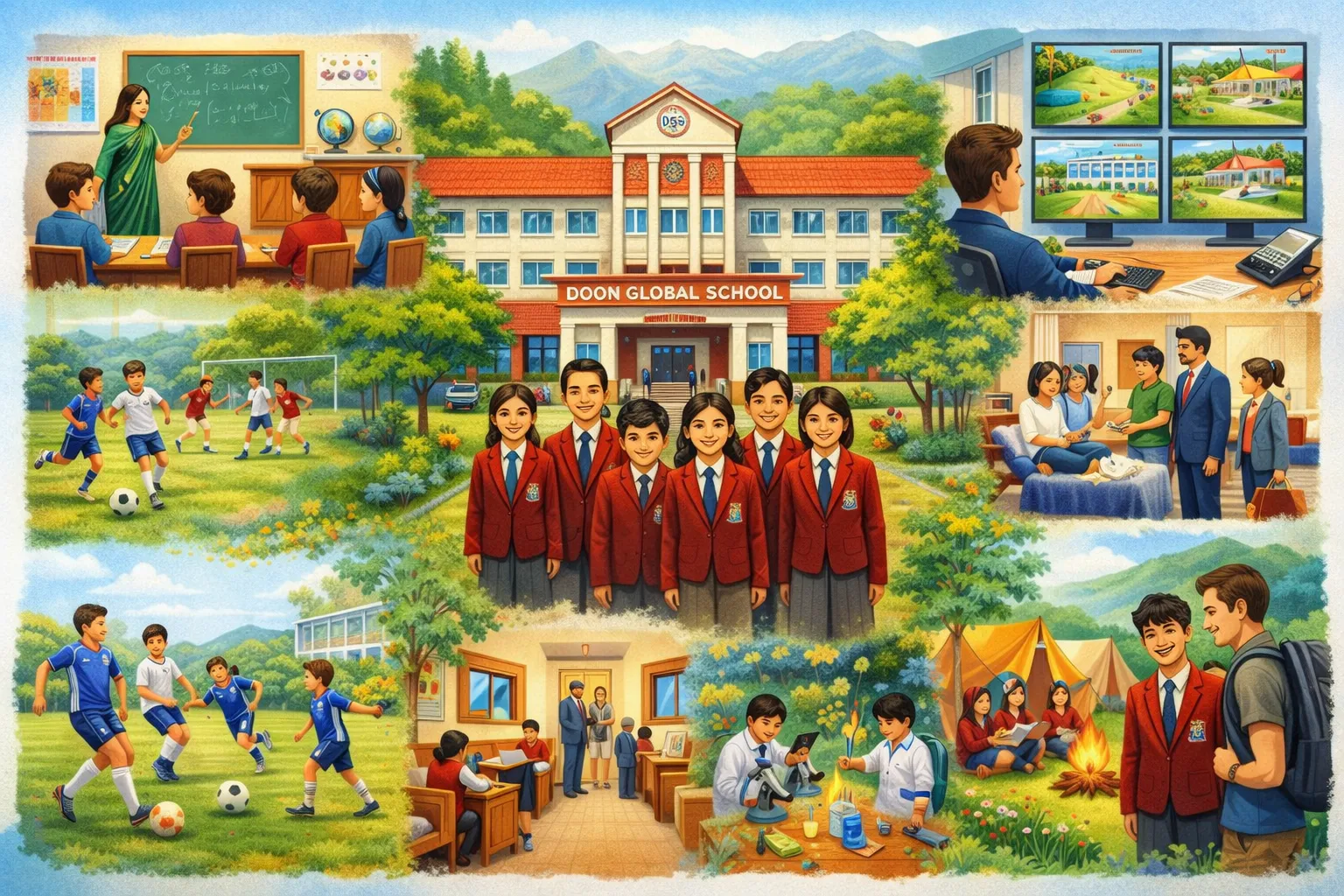
A residential school should be assessed as a complete living-and-learning programme, not by a “top school” label. This checklist helps families compare daily routines, academic support, staffing, safeguarding and published evidence; DGS is included as one option whose current details should be verified.
Our Vision
Our vision centers on developing confident, responsible, and futuristic leaders in a safe and supportive environment.
A vision statement explains intent, but it is not evidence of delivery. Ask how DGS translates this statement into the current academic timetable, residential routine, behaviour policy and pastoral-care process.
Teaching Methodology for Today’s Learners
During a school visit, ask the academic team to show how the programme addresses:
- Concept development and subject-specific skills
- Assessment, feedback and progress reporting
- Board-examination preparation for the relevant classes
- Support for students who need additional help
- Supervised study time for residential students
Request examples such as a current timetable, assessment calendar and anonymised progress report rather than relying on broad methodology claims.
Quality Campus Infrastructure and Student Life
Ask to inspect the spaces a child would use and obtain current written answers about:
- Dormitories: capacity, bathrooms, storage, privacy and night staffing
- Meals: current menus, dietary needs, hygiene and supervision
- Study: quiet hours, device rules and access to academic help
- Well-being: homesickness, counselling and family-contact procedures
- Recreation: actual weekly access to common rooms and activities
- Maintenance: housekeeping, laundry and repair-reporting routines
Emphasis on All-Round Development
Activity lists can change by age group and term. Ask which of the following are currently timetabled, who supervises them and whether additional charges apply:
- Physical fitness and competitive sports
- Performing and cultural arts
- Leadership and public speaking training
- Community service initiatives
- STEM and robotics clubs
- Environmental awareness programs
Safe, Disciplined Environment
Safety and discipline deserve direct verification when selecting a boarding school in Dehradun. Ask the school to explain and document:
- Who is responsible for each residence during the day and overnight
- Access control, visitor records and student movement rules
- Fire, evacuation and emergency-response procedures
- Illness, medication, first-aid and hospital-transfer procedures
- Child-protection reporting and complaint escalation routes
Start with the school’s published safety information, then confirm what is operational for the intended session.
Qualified Residential Staff
Request a current residential staffing structure that identifies house staff, escalation contacts and cover arrangements. Ask about qualifications, background checks, training and how responsibilities differ between teachers, wardens, counsellors and health-support personnel.
Teacher counts do not by themselves describe residential supervision, so compare the number of boarders with the staff actually assigned to each shift and residence.
Global Preparedness
If a school promotes “global preparedness,” ask for current, age-specific examples such as:
- Language and communication development programs
- Digital learning resources and tools
- International teaching methodologies
- Confidence-building programs
- Cultural exchange opportunities
Check participation levels and recent outputs so that broad claims can be compared with what students actually experience.
Guidance for Parents Selecting Schools
When evaluating institutions, families should consider several key factors:
Boarding Program Structure
Understand personal preferences between boarding and day options. Consider your child's personality and family circumstances.
Academic Excellence
Examine published board results over multiple years and ask how the school supports the full cohort, not only its highest scores.
Career Preparation Support
Review extracurricular opportunities and post-graduation guidance services. A good school helps students plan their future, not just pass exams.
Conclusion
A residential-school decision should rest on current documents, direct observation and the child’s readiness, not an unverified ranking. Use the same checklist for every school, record the answers and ask for written clarification where policies or fees are unclear.
For DGS-specific programme information and links to its published evidence, continue to the residential school in Dehradun page and arrange a visit before applying.