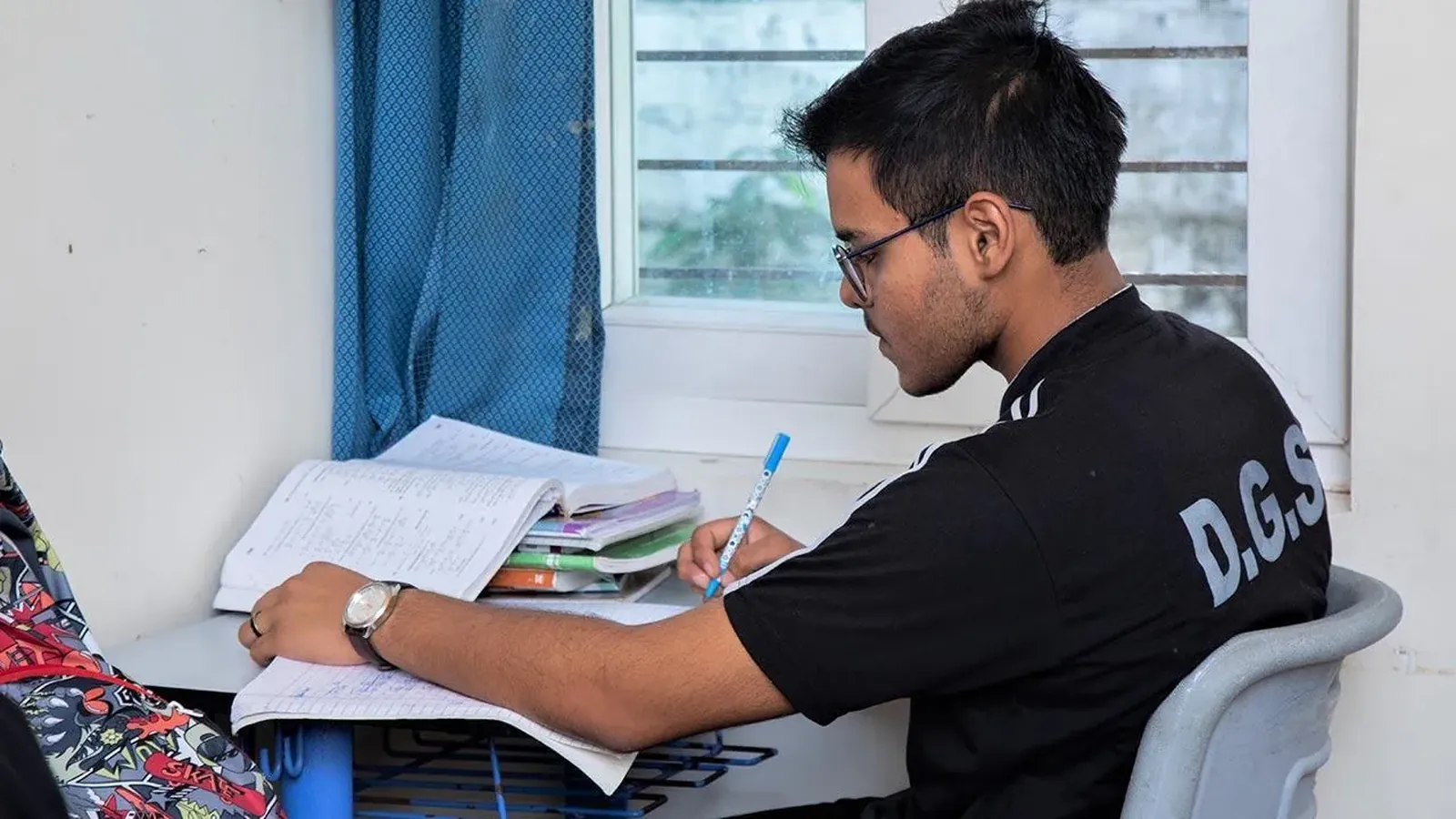
Presentation skills help students overcome stage fear, organise their thinking and lead with confidence. Schools can give every student regular chances to speak, from assembly speeches to class presentations; teachers can praise effort and give constructive feedback; and steady practice, with slides as support rather than a script, does the rest. Ms. Kiran Daksh explains.
Empowering young minds to speak with confidence.
Introduction
In today's fast-changing world, presentation skills are essential for every student. Education is not just about gaining knowledge; it is also about expressing ideas clearly, sharing opinions confidently, and communicating effectively with others. Strong presentation skills help students perform better academically, develop leadership qualities, and prepare for future challenges. Therefore, schools and teachers must provide students with regular opportunities to improve their speaking and presentation abilities.
Why Are Presentation Skills Important?
Presentation skills play a vital role in a student's overall development. They help students overcome stage fear, improve their communication abilities, and develop self-confidence. A student who can present ideas effectively is more likely to participate actively in classroom discussions, debates, seminars, and group activities.
These skills also encourage critical thinking, creativity, and problem-solving. When students prepare a presentation, they learn to organise information, identify important points, and explain complex ideas in a simple and meaningful way. These abilities are valuable not only in school but also in higher education and professional life.
Creating Opportunities for Public Speaking
One of the most effective ways to develop presentation skills is to encourage students to speak in front of an audience. Schools can organise morning assembly speeches, storytelling sessions, debates, role-plays, and class presentations.
Teachers should ensure that every student gets an opportunity to participate, regardless of their academic performance or personality. Initially, shy students may begin with short introductions or small-group discussions. Gradually, they can progress to longer presentations before larger audiences.
A positive and supportive environment helps students understand that making mistakes is a natural part of learning.
The Role of Teachers in Building Confidence
Teachers play a significant role in helping students become confident presenters. Instead of focusing only on mistakes, they should appreciate students' efforts and provide constructive feedback.
Students should be guided on voice modulation, pronunciation, eye contact, posture, facial expressions, and appropriate gestures. Teachers can also demonstrate effective presentation techniques and encourage students to observe good speakers.
Most importantly, students should be taught that an effective presentation is not about using difficult words or memorising long speeches. It is about understanding the topic and communicating the message clearly.
Using Technology to Enhance Presentations
Technology has made presentations more interesting and interactive. Students can use PowerPoint slides, videos, photographs, charts, and digital tools to explain their ideas effectively.
However, visual aids should support the speaker rather than replace them. Students must learn to maintain eye contact, interact with the audience, and explain information in their own words instead of simply reading from slides.
Schools can also organise digital presentation competitions to encourage innovation, teamwork, and creativity.
Practice Makes Progress
Regular practice is the key to developing strong presentation skills. Students should prepare their content carefully, rehearse aloud, manage their time, and anticipate possible questions from the audience.
Recording practice sessions can help students identify areas for improvement. Peer feedback and group activities can further strengthen their communication skills.
With consistent effort and proper guidance, even students who initially hesitate to speak in public can become confident and effective presenters.
Conclusion
Helping students build strong presentation skills is an important responsibility of every educational institution. These skills empower young minds to express themselves confidently, communicate respectfully, and become effective leaders.
Schools must go beyond textbooks and examinations by creating opportunities for students to speak, share, create, and collaborate. Every presentation, whether small or large, is a step towards personal growth.
Great speakers are not born overnight; they are developed through practice, patience, and perseverance.
By nurturing communication and presentation skills today, we prepare our students to become confident individuals and responsible leaders of tomorrow.
Frequently Asked Questions
Why are presentation skills important for students?
They help students overcome stage fear, communicate clearly and build self-confidence. Preparing a presentation also teaches them to organise information, pick out the important points and explain complex ideas simply, which is valuable in higher education and professional life too.
How can schools help students improve their presentation skills?
By giving every student regular chances to speak in front of an audience: morning assembly speeches, storytelling sessions, debates, role-plays and class presentations. Shy students can begin with short introductions or small-group discussions and move to larger audiences gradually.
What should students practise to become better presenters?
Voice modulation, pronunciation, eye contact, posture, facial expressions and appropriate gestures, along with preparing the content carefully, rehearsing aloud, managing time and anticipating questions from the audience.
Should students read from their slides?
No. Slides, videos and charts should support the speaker, not replace them. Students should keep eye contact, interact with the audience and explain the information in their own words.