Coding is giving a computer clear, step-by-step instructions, and it is becoming a basic skill for every student, like reading or maths. It trains logical thinking, shows up in almost every profession, and can be started today with Scratch or Python and no prior experience. Mr. D Rana of Doon Global School explains why.
"Coding isn't only for computer engineers!" That one line surprises most students the first time they hear it. Ask teenagers what coding is, and nearly all of them will say "building apps" or "becoming a software engineer." The truth is far bigger: coding has quietly become a basic skill, much like reading, writing, or maths, that shapes how students learn, create, and solve problems in almost every field.
What Is Coding, Really?
At its core, coding is simply giving a computer a set of clear instructions to follow. It's a language, just like English or Hindi, except instead of talking to people, you're talking to machines. When a student writes a few lines of code to make a game character jump, or to automatically sort a spreadsheet of marks, they're doing exactly what professional programmers do: breaking a problem into small, logical steps a computer can execute.
This is why coding is often compared to problem-solving itself. Learning to code trains the brain to think in sequences, spot patterns, and debug mistakes calmly: skills that are useful whether or not a student ever writes a line of code again after school.
Coding in Everyday Life
Coding isn't locked away in software companies. It's behind the apps students use to chat with friends, the algorithms that recommend videos, the traffic systems that manage city roads, and even the filters on a phone camera. A student who understands the basics of coding starts to see the world differently: as a set of systems that can be understood, questioned, and improved.
Even outside tech careers, coding shows up everywhere: a biologist coding to analyse DNA sequences, a journalist coding to visualise election data, or a shop owner coding a simple website to sell products online. It has become a tool that supports almost every profession, not a replacement for them.
Getting Started Doesn't Require Expertise
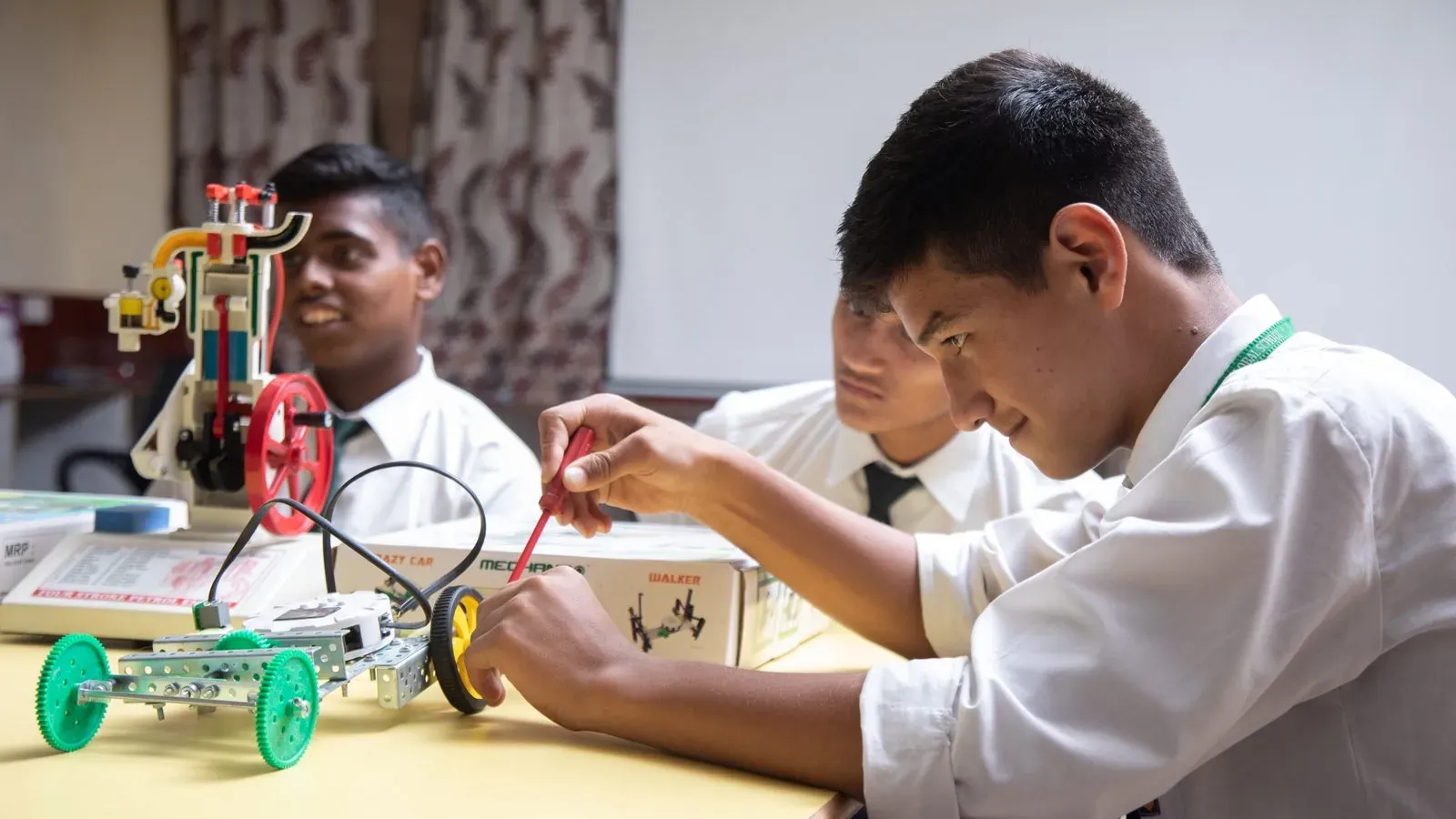
One of the biggest myths about coding is that it's only for "tech geniuses." In reality, there are countless beginner-friendly platforms, like Scratch for younger students and Python for those ready to write real code, that make the first steps simple and even fun. Free resources, school coding clubs, and short online courses mean a student can start today, with no prior experience, and build real projects within weeks.
Why It Matters for the Future
As more industries (healthcare, agriculture, finance, entertainment, and education itself) become driven by technology, the ability to code opens doors far beyond traditional "computer jobs." Careers in data science, robotics, game design, cybersecurity, and product development all rely on coding fundamentals. Even students who choose completely different paths, like medicine or business, find that coding skills give them an edge: the ability to automate routine tasks, analyse data, or simply understand how the digital tools they use every day actually work.
In Summary
Coding is no longer a niche skill reserved for engineers; it's becoming a form of modern literacy. It teaches logical thinking, opens up a wide range of career paths, and helps students make sense of an increasingly digital world. The earlier students start exploring it, the more comfortable and confident they'll become with technology that will only grow more central to their lives.
Would you like coding in school? Let us know!
Frequently Asked Questions
Why is coding important for students?
Coding trains students to break a problem into small, logical steps, spot patterns and fix mistakes calmly. It is becoming a basic skill, like reading, writing or maths, and it supports almost every profession, from data science and robotics to medicine and business.
What is coding, in simple words?
Coding is giving a computer a set of clear instructions to follow. It is a language, like English or Hindi, except that you are talking to a machine instead of to people.
How can a school student start learning to code?
With a beginner-friendly platform: Scratch for younger students and Python for those ready to write real code. Free resources, school coding clubs and short online courses let a student start with no prior experience and build real projects within weeks.
Is coding only for students who want to be engineers?
No. Coding shows up in biology, journalism and business as well as in software, and students who choose medicine or business also find that it helps them automate routine tasks, analyse data and understand the digital tools they use every day.