Artificial intelligence can support personalised learning, reduce teachers' routine workload and widen inclusion in Indian schools. It also brings risks: overdependence, weaker academic integrity, the digital divide, and concerns about privacy, bias and accuracy. Lt Col Preeti Yadav (Retd) of Doon Global School argues that AI should support teachers rather than replace them.
Artificial Intelligence (AI) is rapidly entering classrooms, homes and workplaces, creating new possibilities for the way children learn. In India, where the education system serves learners across different languages, regions and socio-economic backgrounds, AI could become a valuable educational tool. However, its benefits should not be viewed in isolation. The introduction of AI also raises concerns about equity, academic integrity, privacy, accuracy and the changing role of teachers. The challenge, therefore, is not whether India should use AI in education, but how it can be used responsibly and meaningfully.
What NEP 2020 Says About Technology in Education
The National Education Policy (NEP) 2020 recognises technology as an important enabler of education. It encourages the use of technology to improve teaching, learning, assessment, educational planning and access. It also highlights areas such as digital literacy, computational thinking and emerging technologies. At the same time, NEP places strong emphasis on holistic development, critical thinking, creativity, communication, values and the teacher's role. This balance is particularly relevant when considering AI.
Where AI Can Help
A major advantage of AI is its potential to support personalised learning. Students do not learn at the same pace or in the same manner. AI-based systems can identify learning gaps, provide additional practice and suggest resources according to individual needs. This could be particularly useful in large classrooms where teachers may find it difficult to provide individual attention to every learner.
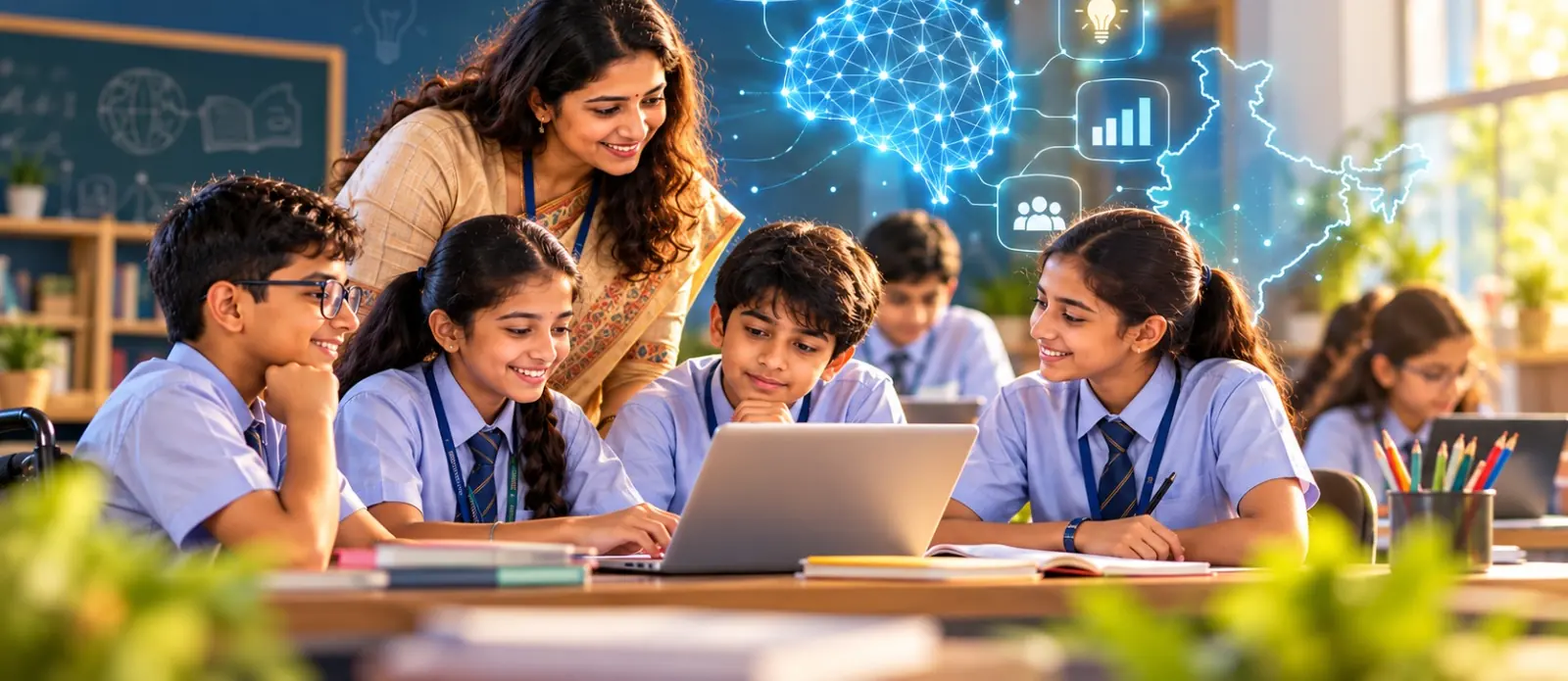
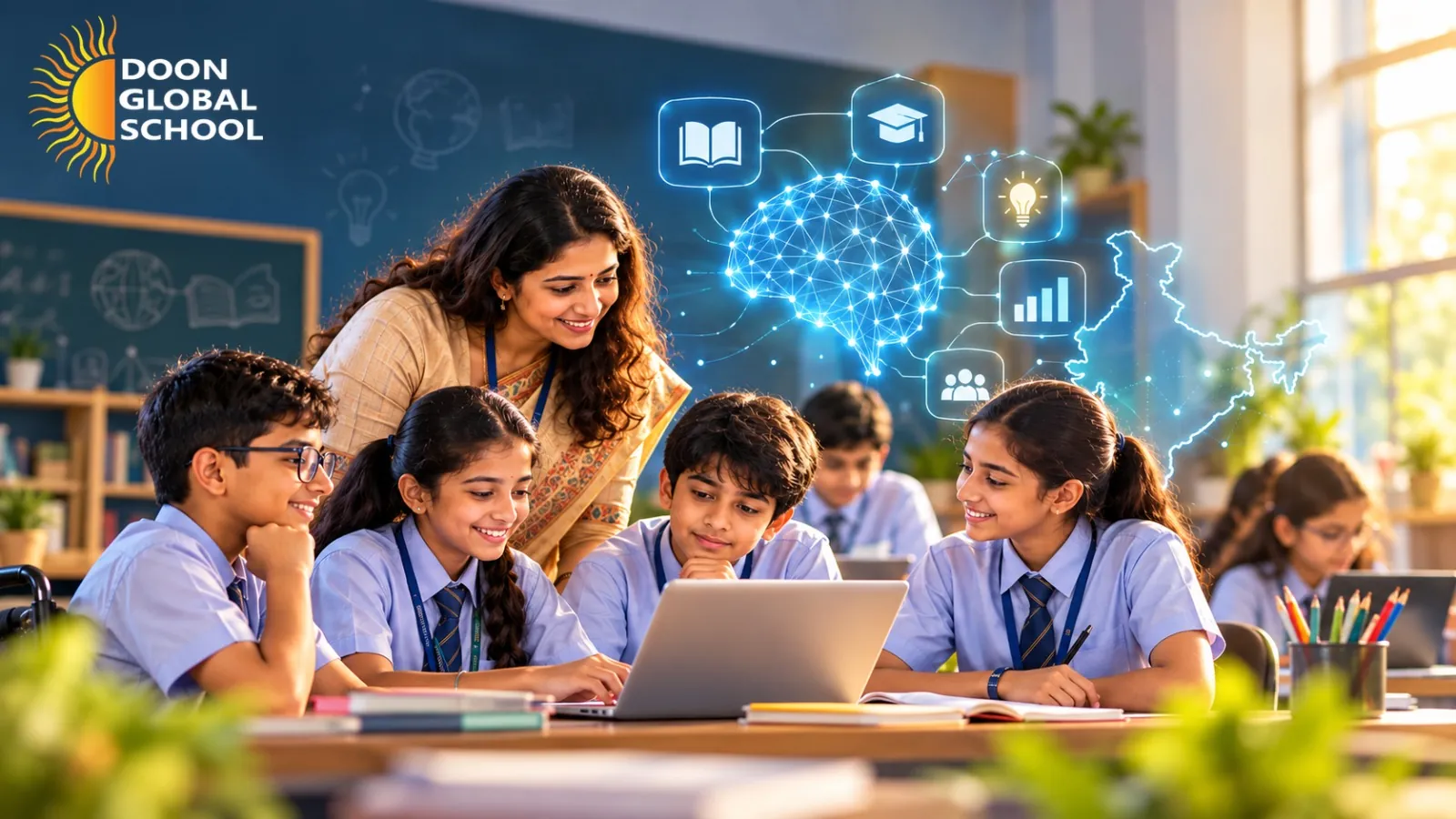
AI can also support teachers by assisting with routine tasks such as preparing learning materials, generating practice questions and analysing assessment patterns. Used appropriately, this may reduce administrative workload and give teachers more time for mentoring, classroom interaction and creative teaching.
Another important opportunity is inclusion. Translation tools, speech-to-text, text-to-speech and other assistive technologies can support learners with different linguistic abilities and learning needs. AI may also expand access to educational resources for students in geographically remote areas.
The Risks We Cannot Ignore
The same technology that offers convenience can create new educational challenges. Overdependence on AI may discourage students from struggling with difficult problems, making mistakes and developing independent thinking. If students routinely ask AI for answers rather than explanations, the technology could undermine the very skills education seeks to develop.
Academic integrity is another major concern. Generative AI can produce essays, answers and projects within seconds. This makes traditional homework-based assessment less reliable and requires schools to rethink how learning is evaluated. Greater emphasis may need to be placed on classroom discussions, projects, oral presentations, practical work and problem-solving.
The digital divide presents another challenge. AI-based education cannot automatically make learning equitable when many students still lack reliable internet connectivity, suitable devices or digital skills. If access is uneven, technology could unintentionally widen existing educational inequalities.
There are also concerns about privacy, bias and accuracy. AI systems may process sensitive student information, while their outputs can sometimes contain factual errors present in their training data. Students therefore need to learn an essential new skill: AI literacy, the ability to question, verify and use AI-generated information responsibly.
The Teacher Remains Central
The most important principle should be that AI supports teachers rather than substitutes for them. A teacher does much more than deliver information. Teachers understand classroom dynamics, encourage struggling learners, recognise emotions, develop values and provide human relationships that technology cannot replicate in the same way.
India should therefore pursue a balanced approach: encourage innovation while establishing clear guidelines for responsible AI use. Teachers need professional development, students need AI and digital literacy, and schools need safeguards for privacy, assessment and equitable access.
The success of AI in Indian education should not be measured by the amount of technology present in classrooms. It should be measured by whether technology helps children think more deeply, learn more independently, create more confidently and participate more equitably.
AI offers India an important educational opportunity, but its greatest value will emerge when innovation is guided by human judgement, educational purpose and the needs of every learner.
Frequently Asked Questions
How can artificial intelligence help students in Indian schools?
AI can support personalised learning by identifying learning gaps, providing additional practice and suggesting resources according to individual needs. Translation, speech-to-text and text-to-speech tools can support learners with different linguistic abilities and learning needs, and AI may expand access to resources in remote areas.
What are the risks of using AI in education?
The main risks are overdependence that weakens independent thinking, threats to academic integrity because generative AI can produce essays and projects within seconds, a digital divide where many students lack connectivity, devices or digital skills, and concerns about privacy, bias and accuracy.
Will AI replace teachers?
It should not. The most important principle is that AI supports teachers rather than substitutes for them. Teachers understand classroom dynamics, encourage struggling learners, recognise emotions, develop values and provide human relationships that technology cannot replicate in the same way.
What does NEP 2020 say about technology in education?
The National Education Policy 2020 recognises technology as an important enabler of teaching, learning, assessment, educational planning and access, and highlights digital literacy, computational thinking and emerging technologies. It also places strong emphasis on holistic development, critical thinking, creativity, values and the teacher's role.
What is AI literacy?
AI literacy is the ability to question, verify and use AI-generated information responsibly. Students need it because the outputs of AI systems can sometimes contain factual errors.