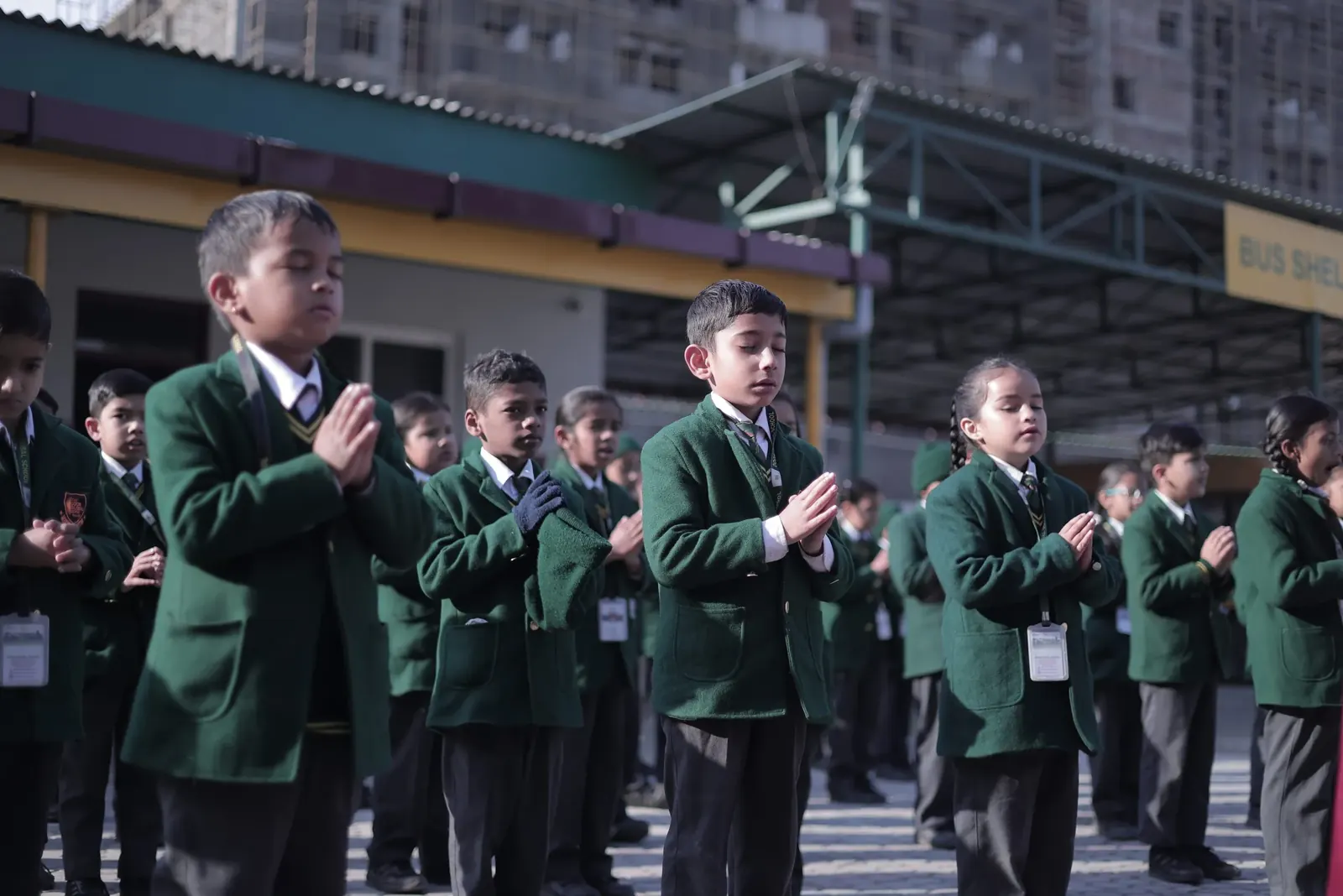
Outdoor play can give children opportunities to move, explore, cooperate and take age-appropriate risks. The experience depends on the activity, supervision, environment and individual child, so parents should verify how a school puts outdoor time into practice.
1. Builds Stronger Bodies
Running, jumping, climbing and age-appropriate games can give children opportunities to practise movement skills. Activities should match the child's age, ability, health needs and the condition of the space.
Parents can ask how the programme supports:
- Varied movement rather than a single competitive sport
- Progression suitable for different ages and abilities
- Rest, water, shade and weather precautions
- Inclusive participation and reasonable adjustments
- Equipment checks and age-appropriate supervision
- Communication about injuries or medical restrictions
2. Boosts Mental Health
Outdoor time can offer a change of pace, but it is not a treatment or a guaranteed academic intervention.
Some children find outdoor activity enjoyable or calming; others may need support with noise, heat, crowds or unfamiliar games. Ask how staff respond to different sensory and emotional needs.
For sleep, mental-health or medical concerns, families should seek advice from an appropriately qualified professional rather than relying on a school activity claim.
3. Encourages Social Skills
Group games can create opportunities to practise teamwork and communication when adults set clear expectations and intervene appropriately. Look for chances to practise:
- Friendship-building abilities
- Self-confidence in social situations
- Conflict-resolution capabilities
- Cooperation and fair play
- Communication skills
- Empathy for others
These are opportunities, not guaranteed outcomes. Ask how staff include quieter children and handle conflict, exclusion or unsafe behaviour.
4. Boosts Creativity and Imagination
Natural and open-ended materials can invite imaginative play. The value comes from time, choice and appropriate supervision rather than from a claim that one environment always outperforms another.
Ask how much of the outdoor session is child-led and which boundaries protect children, other people and the environment.
5. Improves Problem-Solving and Decision-Making
Climbing structures, invented games and small physical challenges can let children practise making choices. Check that equipment, rules and supervision are appropriate for the age group.
Do not assume these experiences will translate directly into grades or later life outcomes; ask what staff actually observe and how they adapt activities.
6. Supports Better Academic Performance
Movement breaks may help some students return to class ready to participate. Parents can ask how outdoor time is balanced with:
- Classroom time and the current curriculum
- Rest and hydration
- Inclusive alternatives when participation is restricted
- Transition time before and after activities
- Age-appropriate observation and feedback
Outdoor play should not be advertised as a guarantee of concentration, behaviour, subject comprehension or exam results.
7. Teaches Responsibility and Connection with Nature
Gardening or observing local ecosystems can create opportunities to discuss living systems and responsible behaviour. A current programme might invite:
- Understanding of living systems
- Respect for nature and wildlife
- Environmental responsibility
- Scientific curiosity
- Mindfulness and present-moment awareness
Ask which activities are actually scheduled, who leads them and how environmental impact and student safety are managed.
What to Verify About Outdoor Learning at DGS
Doon Global School's public disclosure records a 26,510 sq m campus. Space alone does not show which activities are active, so ask the school to confirm whether the current session includes:
- PT or yoga, with the class timetable and instructor
- Sports sessions, selection rules and coaching arrangements
- Nature walks or environmental studies
- Outdoor science activities
- Gardening or campus-care projects
- Trips or adventure activities, with consent and risk procedures
Conclusion
Outdoor play can be a useful part of a varied school day when it is age-appropriate, inclusive and properly supervised.
During a campus visit, inspect the spaces your child would use and ask about timetables, staff, equipment checks, weather rules, accessibility and incident reporting. Compare current evidence rather than relying on guaranteed health, behaviour or academic outcomes.