Saving the environment is every individual's responsibility, not only that of governments or scientists. Small daily habits add up when millions of people adopt them: save water, carry a reusable bottle and cloth bag, separate wet and dry waste, plant trees and care for them, switch off unused lights and fans, and walk, cycle or carpool for short trips.
The environment is not something separate from us. It is the air we breathe, the water we drink, the food we eat, and the trees that give us shade on a hot day. It is the chirping of birds in the morning, the sound of rain, and the fresh smell of soil after a shower. Yet, in our busy lives, we often forget how deeply we are connected to nature.
Saving the Environment Is Everyone's Responsibility
Saving the environment is not only the responsibility of governments, scientists, or environmental organisations. It is the responsibility of every individual.
Think about a simple morning. We switch on the lights, turn on the tap, use electricity, travel to school or work, buy food wrapped in plastic, and sometimes throw things away without thinking where they will end up. Each action may seem small, but millions of people making the same error every day will have a huge impact on our planet.
The good news is that small actions can also create big changes.
Small Actions That Create Big Changes
Save water
We can begin by saving water. A leaking tap may seem harmless, but the water wasted over days and months is significant. Turning off the tap while brushing our teeth, using water carefully, and repairing leaks are simple habits that everyone can follow.
Reduce plastic waste
We can also reduce plastic waste. Carrying a reusable water bottle or cloth bag instead of choosing single-use plastic is a small step towards a cleaner environment. We should also learn to separate wet and dry waste and reuse or recycle materials whenever possible.
Plant trees and care for them
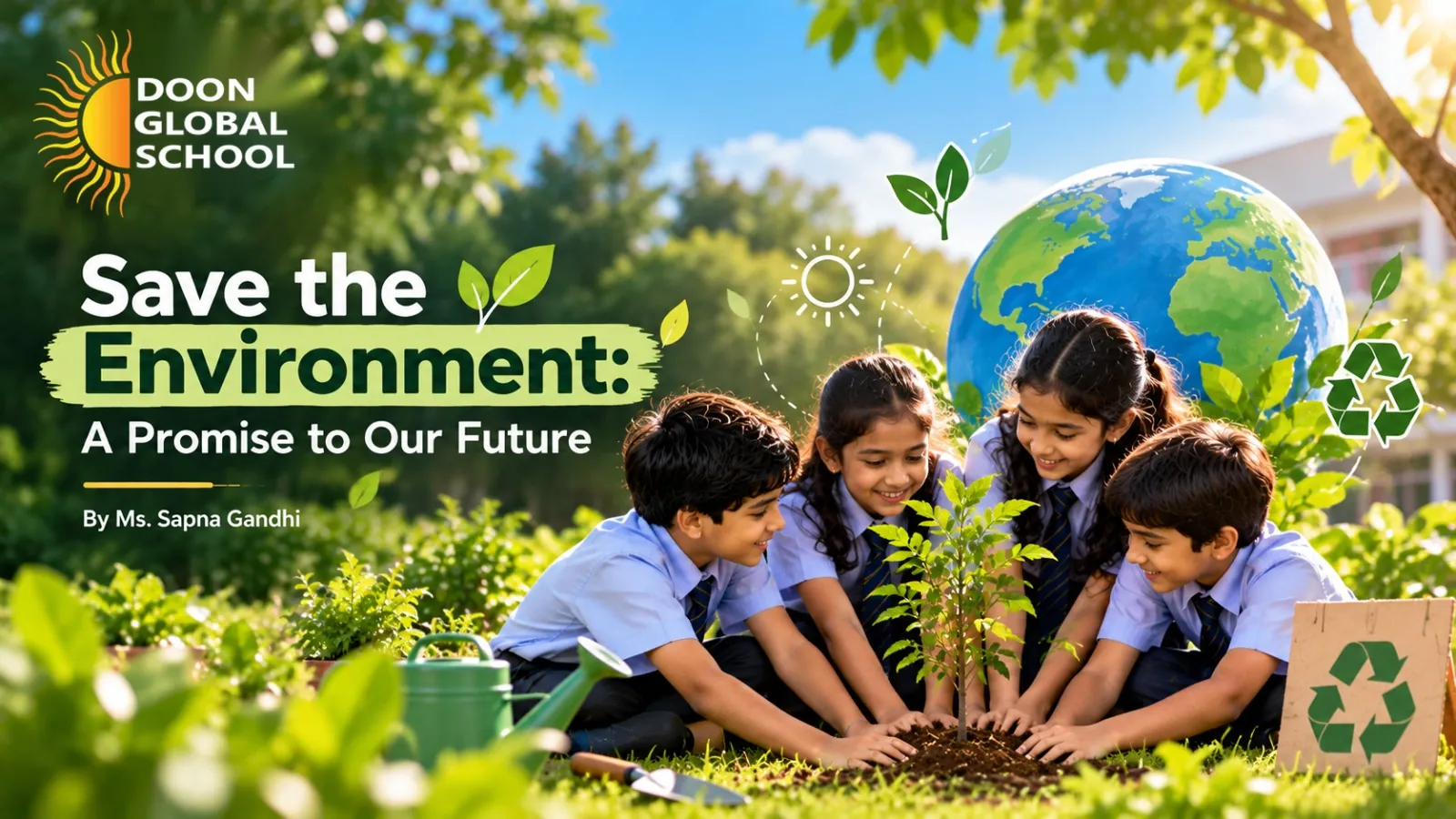
Trees are another precious gift of nature. They provide oxygen, absorb carbon dioxide, offer homes to birds and animals, and help keep our surroundings cooler. Planting trees is important, but caring for the trees we already have is equally important. A young plant needs our attention, water, and protection before it can grow into a strong tree.
Save energy
Saving energy is another meaningful way to protect nature. Switching off lights, fans and other electrical appliances when they are not required reduces unnecessary energy consumption. Walking or cycling for short distances and carpooling can also help reduce pollution.
More Than Rules: Love and Respect for Nature
But environmental protection is not just about rules and habits. It is also about developing love and respect for nature.
A child who learns not to throw a wrapper on the ground today may become an adult who cares deeply about clean surroundings tomorrow. A family that plants a tree together may create a memory that lasts for generations. A school that teaches students to conserve water and manage waste can influence hundreds of young minds.
What Difference Can One Person Make?
We often ask, "What difference can one person make?" The answer is that every great change begins with individual choices and a deep desire for that change. One person carries a reusable bottle. Another plants a tree. Someone else picks up litter instead of walking past it. Slowly, these actions inspire others.
The Earth does not need a few people who care perfectly. It needs millions of people who care enough to make better choices every day.
Our Shared Home
Our planet is not simply a place we live in. It is our shared home. We have borrowed it from future generations, and it is our duty to leave behind clean rivers, green forests, fresh air, and a healthier world.
Let us therefore make saving the environment a part of our everyday life, not because someone tells us to, but because we understand its value.
The future of the Earth is being shaped by what we do today. Let us choose wisely, act responsibly, and give nature the care it deserves.
Frequently Asked Questions
How can students help save the environment?
Students can save water by turning off the tap while brushing, carry a reusable water bottle and a cloth bag instead of single-use plastic, separate wet and dry waste, switch off lights and fans that are not needed, and look after young plants until they grow into strong trees.
Why is saving the environment everyone's responsibility?
Because the environment is shaped by ordinary daily actions. Using water, electricity and plastic seems small for one person, but millions of people doing the same thing every day have a huge impact on the planet. It is not a task only for governments, scientists or environmental organisations.
What are simple ways to save water at home?
Turn off the tap while brushing your teeth, use water carefully, and repair leaking taps. A leak may seem harmless, but the water wasted over days and months is significant.
Can one person really make a difference to the environment?
Yes. Every great change begins with individual choices. One person carries a reusable bottle, another plants a tree, someone else picks up litter instead of walking past it, and slowly these actions inspire others.